Treatment duration
3–5 hours
Anesthesia
General anesthesia
Association
Pressure bandage
Hospital stay
1–2 nights inpatient
Sociable
approximately 10–14 days
Durability
10 years or longer
Treatment Duration
3–5 hours
Anesthesia
General anesthesia
Association
Pressure bandage
Hospital stay
1–2 nights inpatient
Sociable
approximately 10–14 days
Durability
10 years or longer
“Stop fighting the surface and start restoring the architecture of the face you remember—
where natural youth is found in the depths of the tissue, not in the tension of the skin.“
The Gold Standard in Facial Rejuvenation: Deep Plane Facelift
- Vertical Repositioning: Unlike traditional facelifts that pull skin horizontally, the Deep Plane technique works beneath the muscle layer (SMAS) to release facial ligaments. This allows the surgeon to lift the entire facial unit vertically, restoring cheeks and the jawline to their youthful position.
- The “Unoperated” Look: By shifting the structural load to deep, sturdy tissues, the skin remains under zero tension. This eliminates the “wind-tunnel” or “pulled” effect, ensuring your expression remains natural and your scars heal as discreet, fine lines.
- Privacy & Premium Recovery: Mallorca offers a secluded, high-end environment for recovery. International patients benefit from a structured pathway that combines world-class surgery with the discretion of a Mediterranean retreat, ensuring you return home looking rested, not “done.”
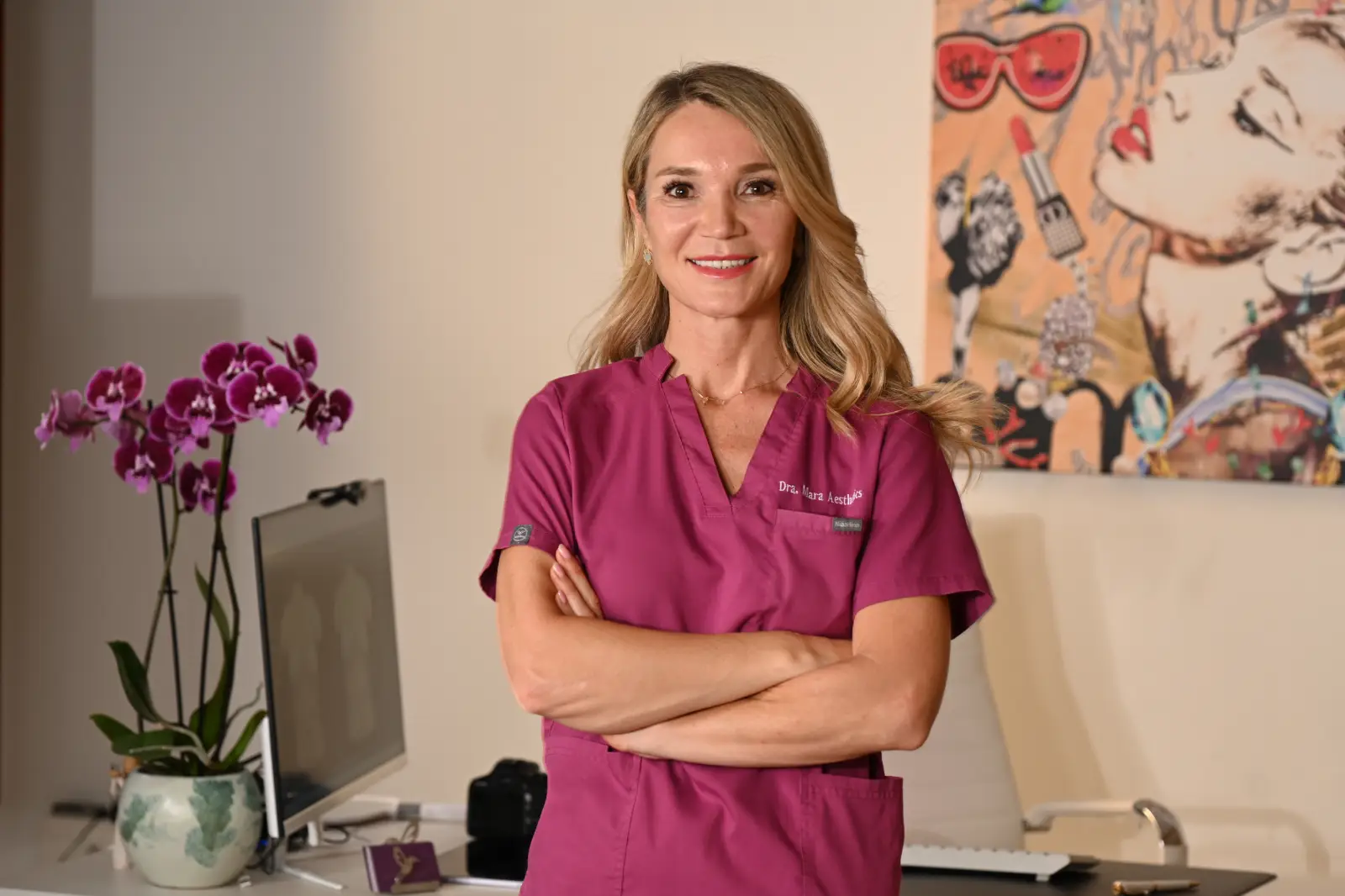
Dr. Mariana Ostrerova
„A masterfully executed facelift shouldn’t announce itself with tension; it should whisper with harmony.
My objective is to return the structural integrity your face once held, ensuring the result is recognized by your friends as ‘rested’ and ‘vital,’ never ‘operated’.”
Deep Plane Facelift Mallorca: Advanced Precisionfor Naturally Restored Results
A facelift should not look like a facelift. Most patients who search for Deep Plane Facelift Mallorca are already past the “should I do something?” phase. You know the term. You have seen outcomes you admire—and outcomes you never want.
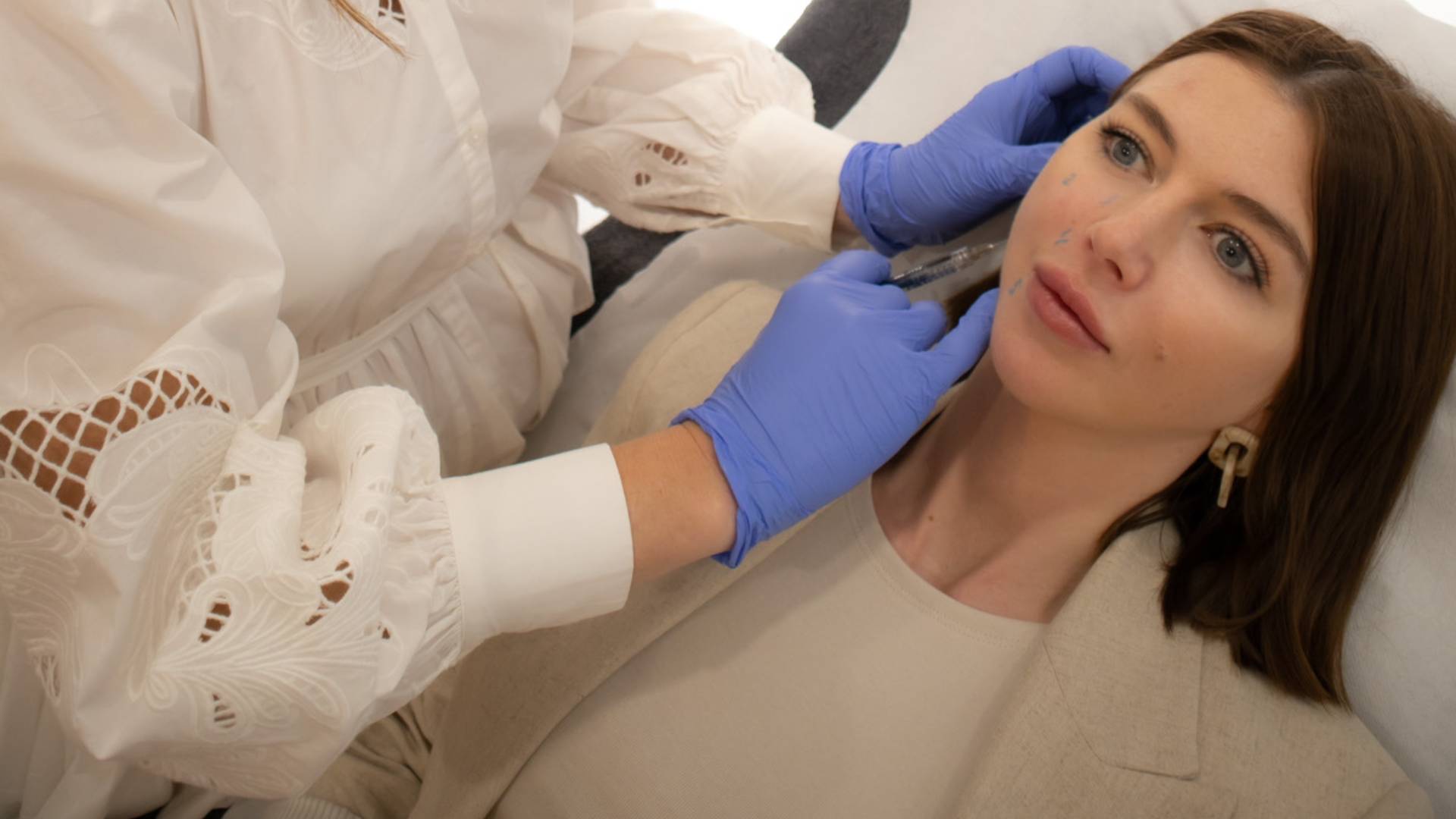
A deep plane facelift is designed for one objective: restore facial structure without skin tension, so you look rested, sharper and quietly younger, not “pulled” or over‑tightened. In Dr. Mara’s practice on Mallorca, this approach is built around precision anatomy, conservative aesthetic judgement and a discreet, international patient pathway for those who value privacy.
If you live on the island as an expat—or you are considering medical travel to Spain—your decision comes down to three things: the technique, the surgeon’s consistency with that technique, and the aftercare. This page explains each, in detail, so you can judge whether a Deep Plane Facelift in Spain is right for you.
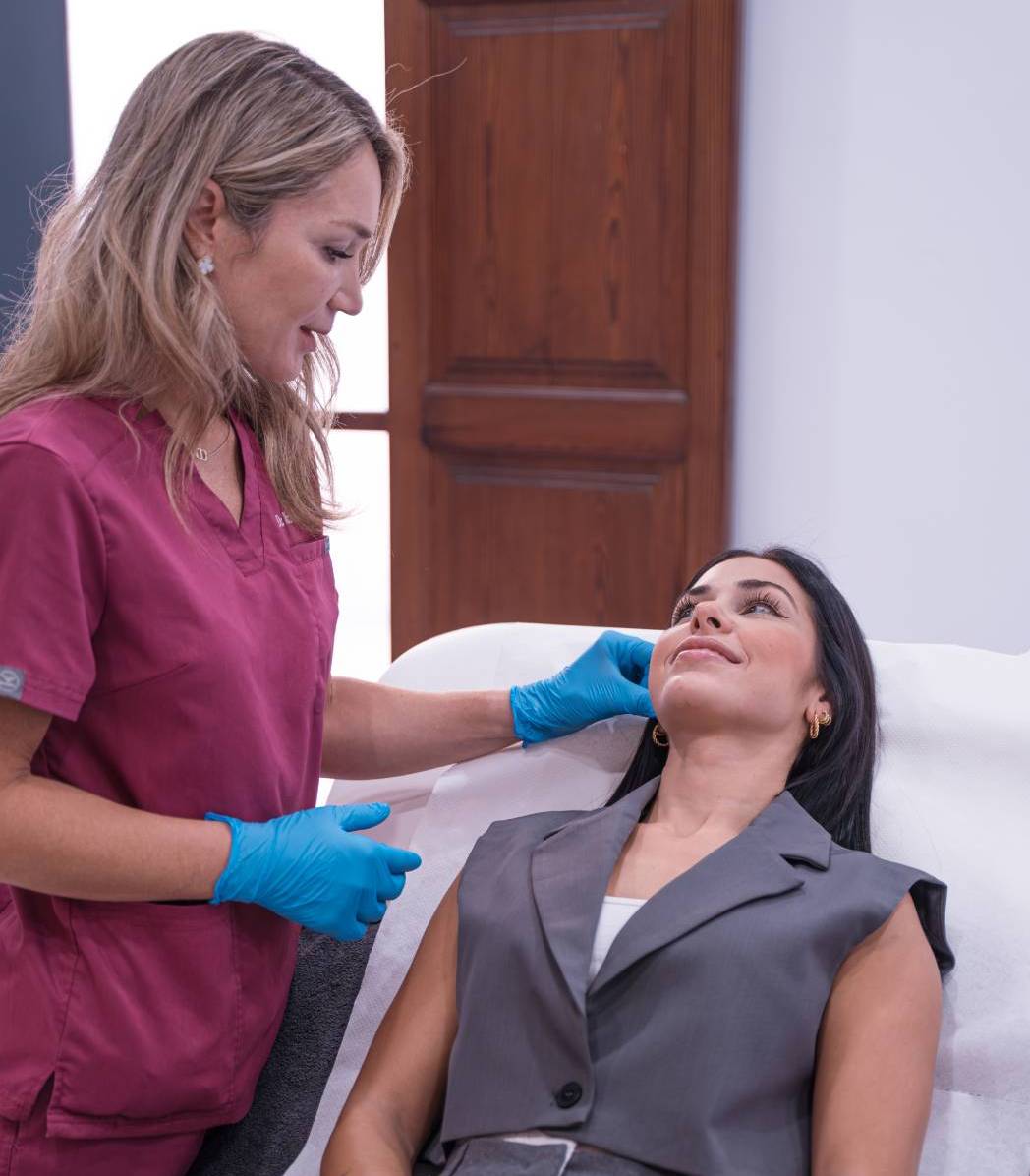
What is a deep plane facelift?
A deep plane facelift is a surgical rejuvenation technique that works beneath the skin, at the level of the SMAS and facial retaining ligaments, to reposition tissues where ageing actually happens.
Ageing is not only a skin problem. Over time, the supporting layers of the face change: fat compartments shift, the jawline softens, cheeks flatten, and the neck transitions from defined to heavy. The skin then drapes over these changes, which is why a “skin‑only” pull can look tight yet still tired.
The deep plane method addresses the structural component. By working in the deep plane—a natural tissue layer—Dr. Mara releases key retaining ligaments that tether the midface and jawline, allowing the descended tissues to move as a unit. The lift is then anchored in the deeper layer (SMAS/platysma complex), while the skin is closed with minimal tension.
The result is the aesthetic difference people notice but cannot name: cheeks that look softly elevated (not swept sideways), a jawline that reads clean (not over‑tight), and a neck that looks defined without the “operated” sheen.
Deep anatomy, explained in plain language: SMAS, ligaments and why they matter
The SMAS layer
The SMAS (superficial musculoaponeurotic system) is a fibromuscular layer beneath the skin that connects facial muscles to the dermis. Think of it as a supportive framework: it is strong enough to hold shape and, when repositioned correctly, it can carry the lift without relying on the skin.
In practical terms, lifting the SMAS is not about “tightening”. It is about restoring contour. When the SMAS and attached fat compartments have descended, the face can look heavier around the jowls and flatter at the cheeks. Deep plane work allows the surgeon to reposition this entire unit more naturally.
Retaining ligaments: the real “anchors” of the ageing face
Facial retaining ligaments act like architectural ties that keep tissues in place. With time, gravity, tissue laxity and volume changes create a mismatch: the ligaments remain fixed, while adjacent tissues descend. This contributes to characteristic features—midface hollowing, nasolabial creases, jowls and neck banding.
A deep plane facelift involves strategic ligament release. Releasing these tether points is what gives the surgeon controlled mobility of the facial soft tissue envelope, so the repositioning is smooth rather than forced. This is the reason deep plane results can look more seamless through the midface and along the jawline.
Why this matters for “the natural look”
When tension is placed primarily on skin, the eye tends to read lateral pull: the corners of the mouth and cheeks drift sideways; the area near the ears looks tight; the centre of the face may still look heavy. Deep plane technique shifts the primary tension to deeper tissues, allowing the skin to lie naturally.
A natural outcome is not an absence of change. It is change that aligns with the way your face would look if time had simply been kinder.
Why patients choose a deep plane facelift in Mallorca
Mallorca attracts people who value discretion. That matters after facial surgery. A deep plane facelift is a premium operation; recovery is easier when you can rest properly, limit social obligations, and heal without feeling observed.
Choosing Mallorca for your surgery offers practical advantages:
- A private, calm setting for recovery, with the option to arrange discreet accommodation and support.
- A climate and environment that encourages gentle mobility during recovery, once appropriate.
- Efficient travel connections for patients from the UK, Northern Europe and the US (with tailored scheduling to reduce travel stress).
Dr. Mara’s practice is designed around international patients: clear consultation pathways, structured aftercare planning, and realistic timelines that respect the demands of travel.
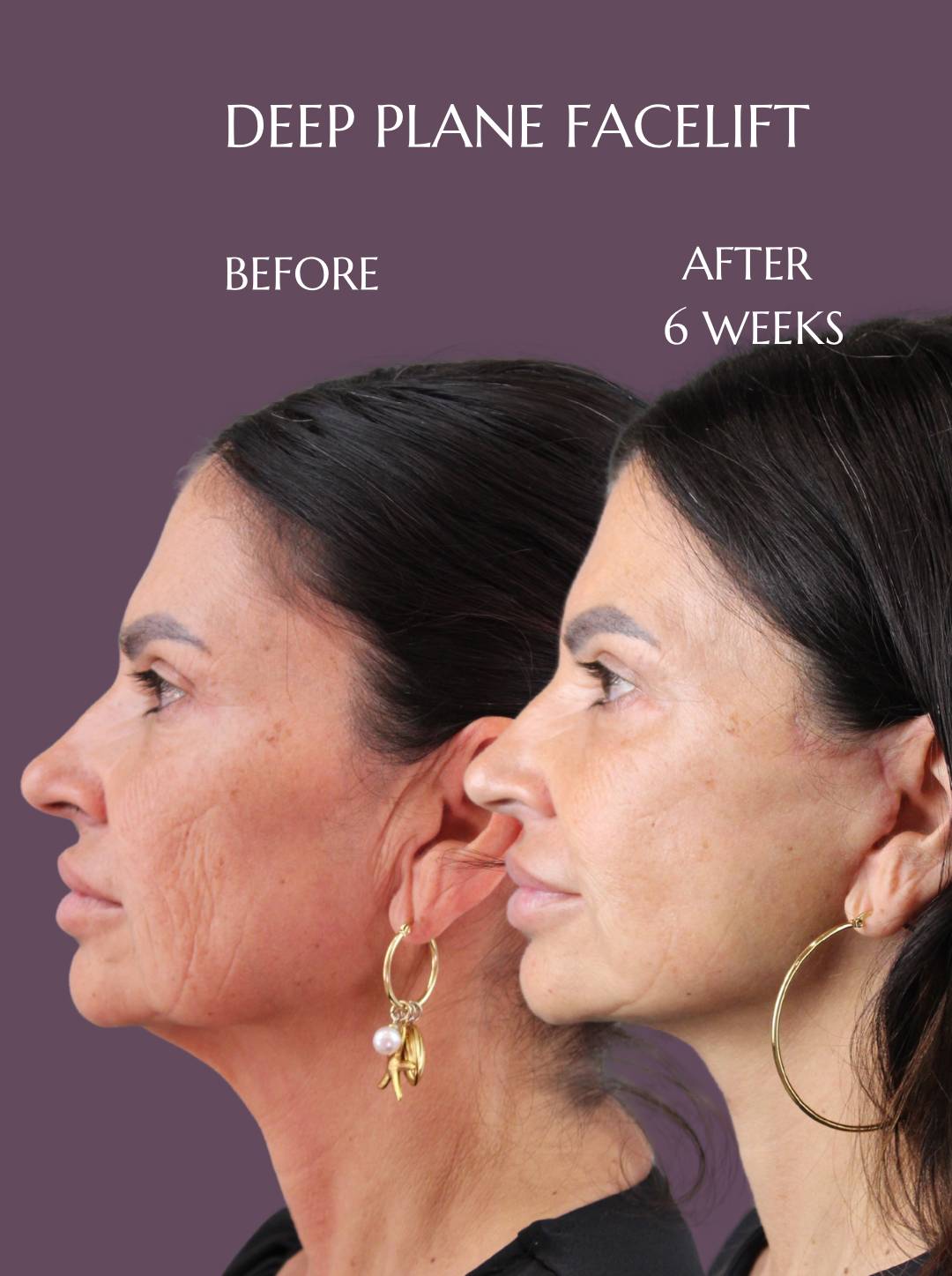
Deep Plane Facelift Mallorca: Dr. Mara’s approach
A deep plane facelift is not a single “standard” operation. The technique is a foundation; the plan must be personal.
Dr. Mara begins with a detailed facial assessment. She looks at how your tissues have changed—midface descent, jawline laxity, neck structure, skin quality, and whether volume loss (or gain) is contributing to heaviness. This is how she decides the true scope of surgery.
Some faces need a stronger midface release; others need more focus at the jawline and neck. In many patients, the most visible ageing sign is the neck—platysma banding, submental fullness or laxity. A deep plane facelift can be paired with a refined neck approach to restore definition without creating a rigid, unnatural “snatched” appearance.
Aesthetic restraint is part of technical excellence. The goal is not to change the identity of your face. It is to restore proportion and definition—so you look like yourself, only fresher.
The procedure: what actually happens in surgery
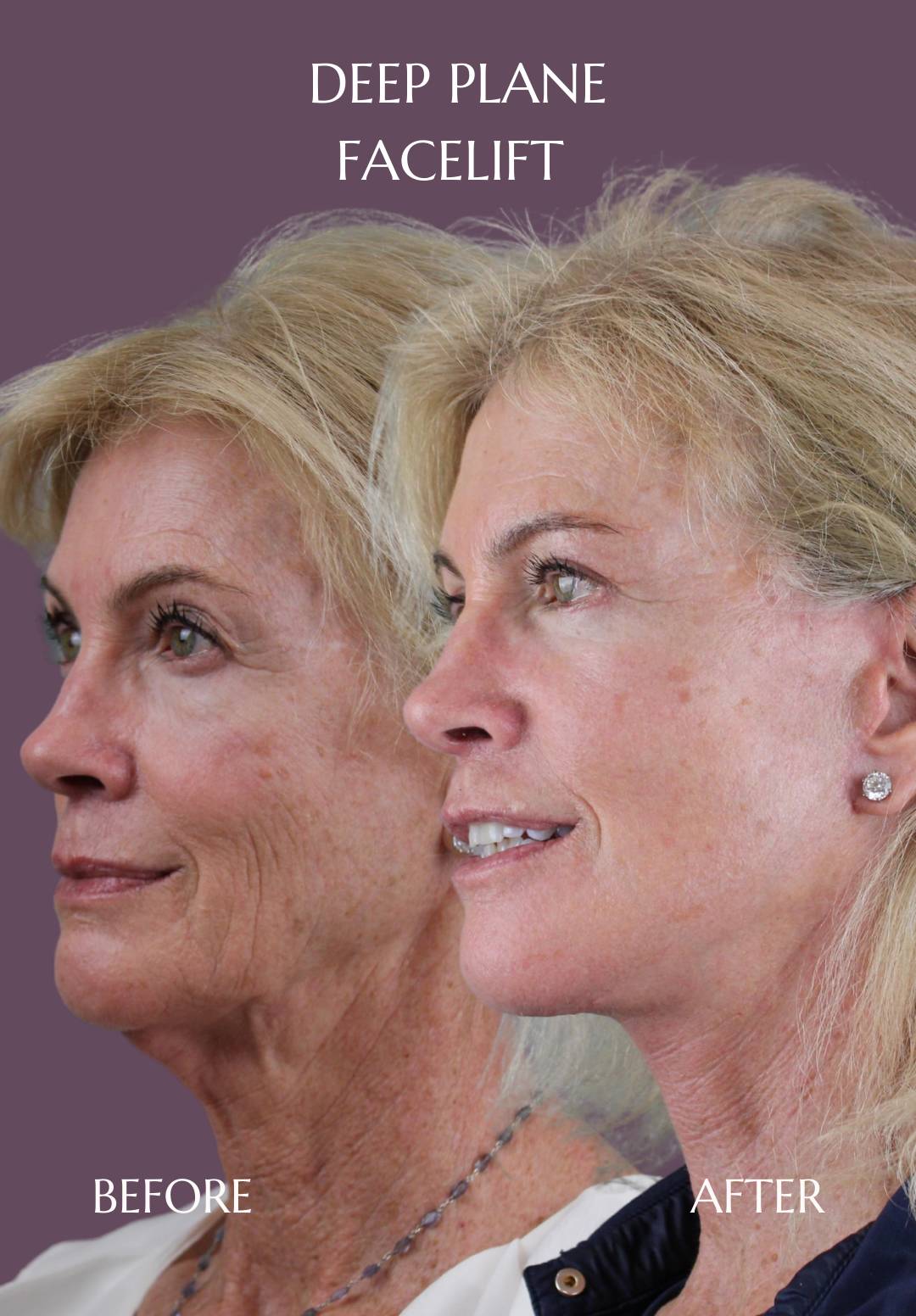
Incisions and scar placement
Incisions are typically placed around the ear and into the hairline where appropriate, designed to be as inconspicuous as possible once healed. Scar quality depends on meticulous closure, individual healing biology, and post‑operative scar care.
Working in the deep plane
The defining steps of a deep plane facelift include:
- Creating access to the deeper tissue layer beneath the SMAS.
- Releasing selected retaining ligaments to mobilise the midface and
jawline smoothly. - Repositioning the SMAS‑platysma complex to restore cheek contour, improve jowls and refine the neck.
- Closing the skin with minimal tension, so the surface looks natural rather
than stretched.
The operation is performed under anaesthesia, with careful control of bleeding and swelling. Drains may be used depending on the surgical plan.
Common complementary procedures
A deep plane facelift often addresses the lower two‑thirds of the face and neck. Depending on your anatomy and goals, Dr. Mara may discuss combining surgery in a single session, such as:
- Neck refinement (when platysma bands or submental laxity dominate)
- Eyelid surgery (upper and/or lower blepharoplasty)
- Fat transfer for selective volume restoration
- Skin quality treatments staged appropriately (for texture or pigmentation)
Combination surgery can improve harmony, but it also changes recovery and cost. This is planned case‑by‑case.
Deep Plane vs. SMAS facelift: what is the difference?
This is one of the highest‑intent searches for a reason. Patients want to know what they are paying for—and whether “deep plane” is marketing or substance.
SMAS facelift (traditional SMAS manipulation)
In an SMAS facelift, the surgeon lifts the skin and manipulates the SMAS—often by plication (folding and stitching) or by creating a SMAS flap. This can improve the jawline and neck effectively in many patients. However, the degree of midface improvement can vary, particularly when ligament release is limited.
Deep plane facelift
In a deep plane facelift, the key distinction is the deeper dissection and controlled ligament release, allowing the midface and lower face tissues to move as a continuous unit. This can produce a smoother, more integrated change—particularly through the cheeks, nasolabial region and jowl transition.
How this translates visually
A helpful way to think about it is “vector and tension”. When the lift is carried by deeper tissues, the skin can settle naturally. That is one reason the deep plane technique has become associated with the goal many English‑speaking patients name explicitly: a refreshed face that does not announce surgery.
No technique is universally “better” for every face. The right operation depends on anatomy, ageing pattern, and the surgeon’s mastery of the method. The value of a consultation is that you get a tailored recommendation rather than a generic label.
Who is a good candidate?
Most deep plane facelift patients are in their late 40s to 70s, but age alone is a poor guide. The true indicators are tissue descent and how strongly the midface and jawline have shifted.
You may be a strong candidate if you recognise the following changes:
- Softening of the jawline with early or established jowls
- A heavier lower face that does not match your energy
- Midface descent that creates a tired or stern appearance
- Neck laxity or banding that makes you avoid profile photos
Medical suitability matters. Smoking, uncontrolled medical conditions, blood‑thinning medication and unstable weight can increase surgical risk or compromise healing. Dr. Mara will guide you through a pre‑operative assessment to ensure surgery is planned safely.
Recovery: what to expect (and how to plan it if you are travelling)
Recovery is often the part patients underestimate—especially those who have a busy professional life and expect to be “camera‑ready” quickly.
Immediately after surgery, swelling and bruising are normal. The first week is about protection: rest, head elevation, careful walking, and avoiding anything that increases blood pressure in the face. Many patients feel socially presentable in the second to third week, but the refined, rested look develops over months as swelling resolves and tissues soften.
A realistic recovery timeline:
- Days 1–3: swelling, tightness, fatigue; you will feel “puffy” and prefer quiet.
- Days 4–10: bruising can peak and then start to fade; dressings and (if used) drains are managed.
- Weeks 2–3: many patients return to low‑key activities; makeup may help camouflage residual bruising.
- Weeks 4–6: most swelling continues to settle; exercise is gradually reintroduced as advised.
- Months 3–6: the result refines; scars mature; the face looks increasingly effortless.
If you are travelling to Mallorca for surgery, Dr. Mara will structure the plan around safe follow‑ups. Most patients stay on the island long enough for early review and stitch removal (where applicable). Your return travel is scheduled to minimise stress and reduce risk.

Safety, risks and what a responsible surgeon will discuss with you
All surgery carries risk. A deep plane facelift is a sophisticated operation performed close to facial nerves and delicate blood supply, which is why surgeon training and technique matter.
Potential risks include bleeding (haematoma), infection, poor scarring, delayed healing, temporary or rarely persistent nerve weakness, skin compromise in higher‑risk patients (particularly smokers), asymmetry, numbness and the need for revision. Anaesthesia carries its own risks, which are assessed in your pre‑operative evaluation.
A high‑trust practice makes safety visible: clear written instructions, accessible post‑operative support, and a defined plan for concerns such as unexpected swelling or pain. You should never feel rushed into surgery or pressured into a decision.
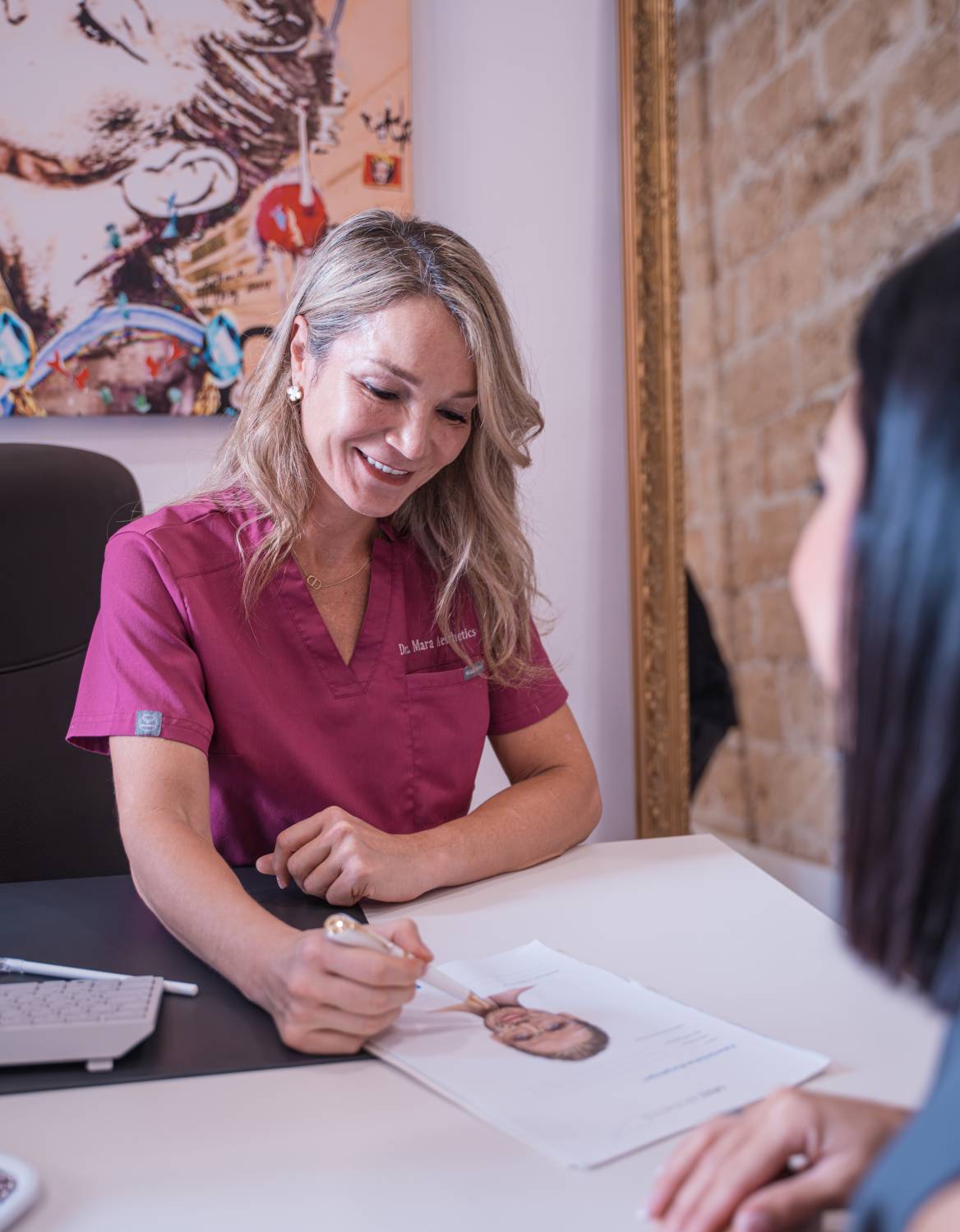
Deep Plane Facelift cost in Mallorca and Spain
Patients who search Deep Plane Facelift cost are asking a legitimate question: what does this level of surgery actually involve—and why is it priced higher than standard facelifting?
Deep plane surgery is typically a premium procedure because it requires:
- greater operative complexity and time
- meticulous anatomical work (including controlled ligament release)
- specialist anaesthesia and theatre support
- structured post‑operative care and follow‑up
Your individual cost depends on the surgical scope: face alone versus face and neck, whether adjunct procedures (eyelids, fat transfer, skin resurfacing) are included, and your medical requirements. A responsible quote is always personalised after examination.
What many patients value is longevity. While ageing continues, a well‑performed deep plane facelift often provides a durable structural reset, and patients commonly report satisfaction for a decade or longer.
That does not mean “you will not age” for 10+ years; it means you are likely to continue ageing from a more youthful baseline, with a result that remains believable.
Results: what “natural” looks like in real life
A natural facelift result is not only about the day you remove the dressings. It is how you look at dinner in a year, in daylight, without makeup.
Patients often describe the deep plane change in the same language:
- “I look rested.”
- “My jawline is back.”
- “People ask if I lost weight or slept well.”
That is the point. When the deeper tissues are repositioned correctly, the surface looks like you—not a surgical concept of you.
Before‑and‑after photography is part of ethical practice, but privacy matters. If you are a public‑facing professional or simply private, Dr. Mara will discuss consent and confidentiality clearly.
Dr. Mariana Ostrerova
Specialist in Plastic, Aesthetic, Orthopaedic & Trauma Surgery
Experiences with the Deep Plane Facelift at Mara Aesthetics
The feedback and experiences of our patients provide valuable insight into the quality and sustainability of our deep plane facelift treatments. They reflect how important a deep anatomical understanding, precise technique, and a natural result are for personal well-being.
Read more reviews on Google. Click here
FAQs – Deep Plane Facelift
Ageing continues, but a deep plane facelift can be a durable reset. Many patients feel their result holds beautifully for a decade or longer, with gradual change rather than sudden relapse.
The deep plane technique is specifically designed to avoid that appearance by carrying tension in deeper tissues rather than skin. The goal is a refreshed look, not a stretched one.
Typically the midface, jowls, jawline and neck benefit significantly. The exact improvement depends on your anatomy and the surgical plan.
Incisions are placed around the ear and hairline to heal discreetly. Scar quality varies by individual, but careful closure and aftercare make a substantial difference.
Most patients describe tightness and pressure rather than sharp pain. You will receive an individual pain‑management plan and clear guidance on what is normal.
Plan to stay long enough for early follow‑ups and safe review. Your timeline depends on the details of surgery and how you heal; Dr. Mara will advise you precisely during consultation.
Often, yes. Combination surgery can improve harmony, but it must be selected carefully based on your anatomy and recovery goals.
Many patients return to quiet work in 10–14 days, and feel more socially presentable around 2–3 weeks. If you have a high‑profile event, plan several months ahead.
International patients are supported throughout the pathway. Consultation and aftercare planning can be structured for English‑speaking patients.
Arrange your consultation with Dr. Mara

A deep plane facelift is a major decision. You deserve a surgeon who can explain the anatomy, show consistent outcomes, and tell you when surgery is not the right answer.
If you are considering a Deep Plane Facelift in Mallorca, Spain, arrange a consultation with Dr. Mara to discuss your facial anatomy, your goals, and a realistic plan—surgical, safe and discreet.
Medical information on this page is educational and does not replace a personal consultation. Surgical suitability and outcomes vary between individuals.
Contact:
- Email: clinica@mara-aesthetics.com
- Phone: +34 608 338 290
- WhatsApp: +34 608 338 290 (Click here)
- Instagram: mara_aesthetics_mallorca (Send a message)
- Adress: Via Roma, 6, entresuelo A, 07012 Palma, Mallorca, Spain
- Online Contact Form: Click here
- Online Appointment Booking: Click here
Appointment times by prior arrangement:
Monday to Friday – 9:00 AM to 7:00 PM
Appointments on weekends or in the evening are also available upon request.